
Blog
Blog
Industry, Engineering
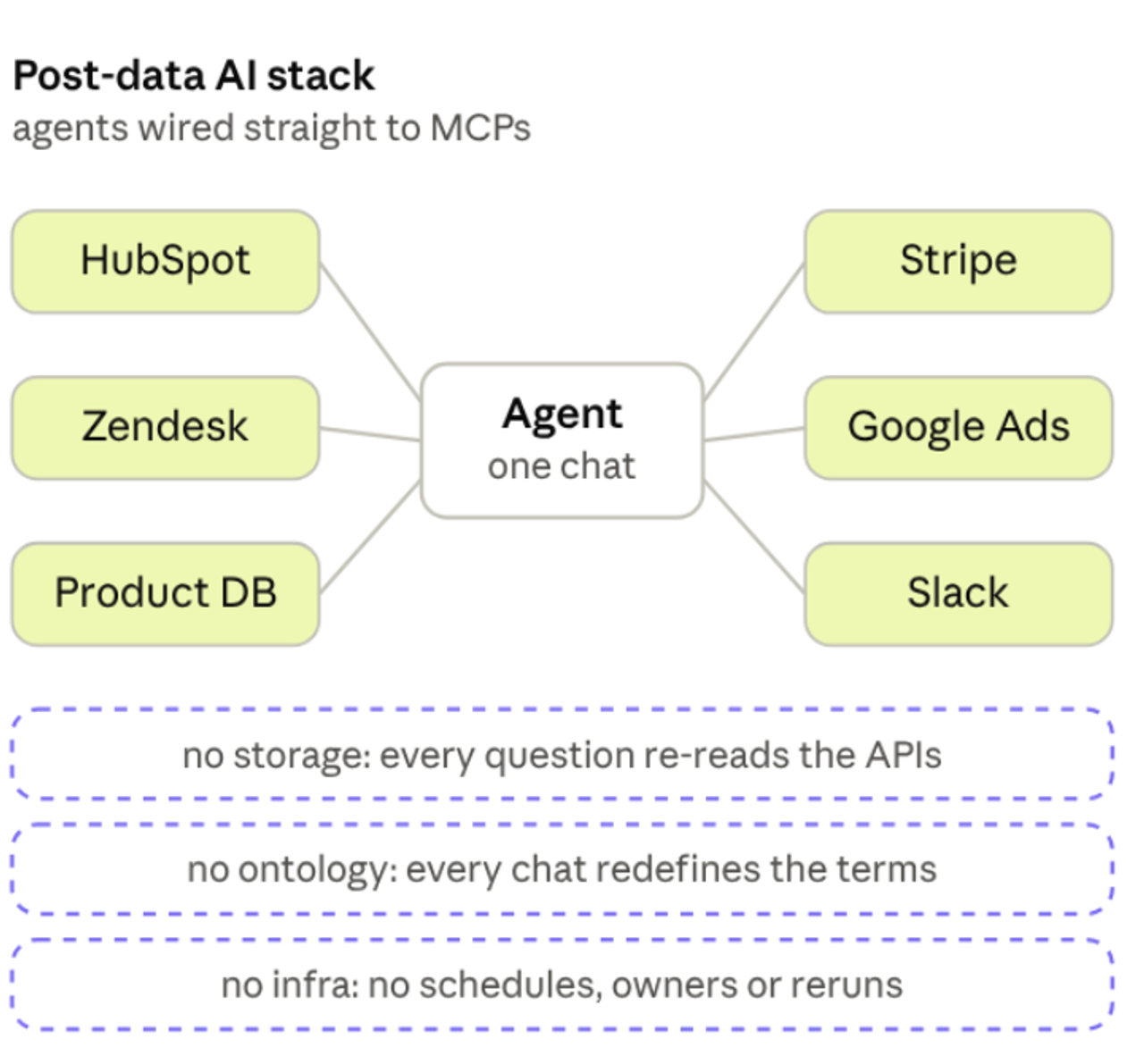
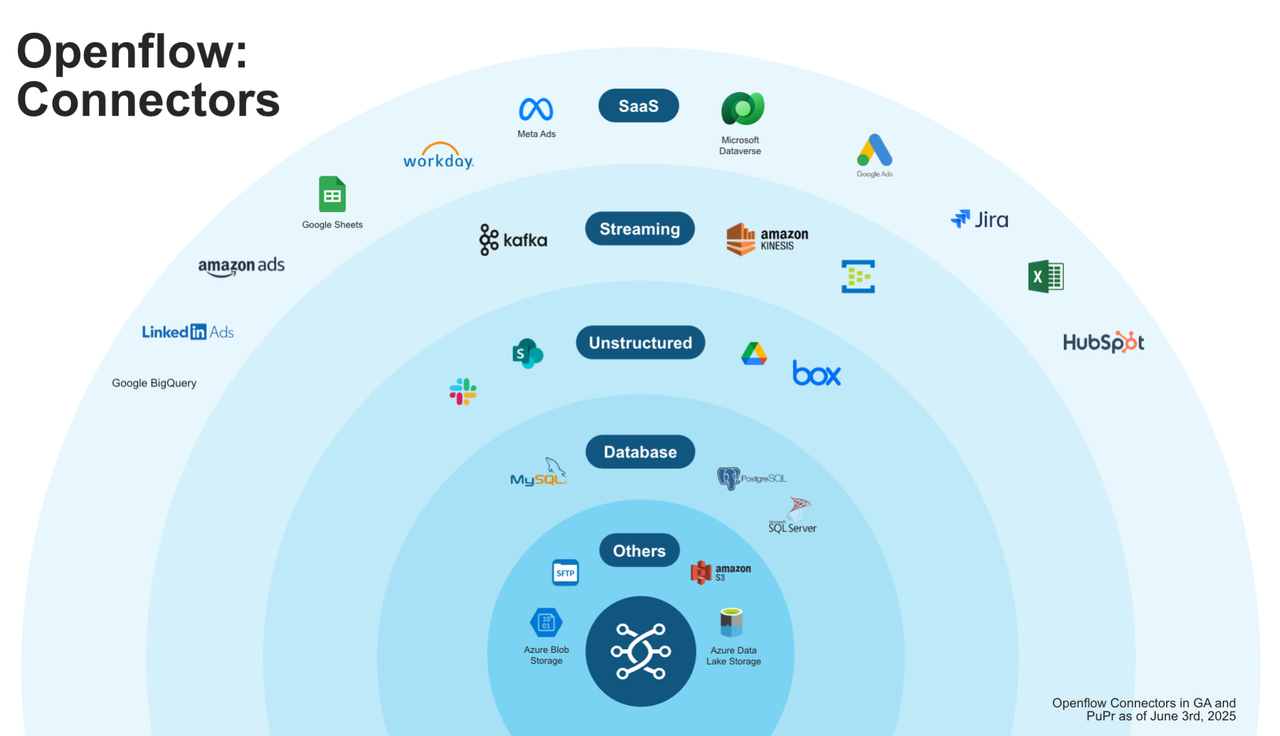
Openflow and dlt on Snowflake: which to use when
Adrian Brudaru
Product, Engineering
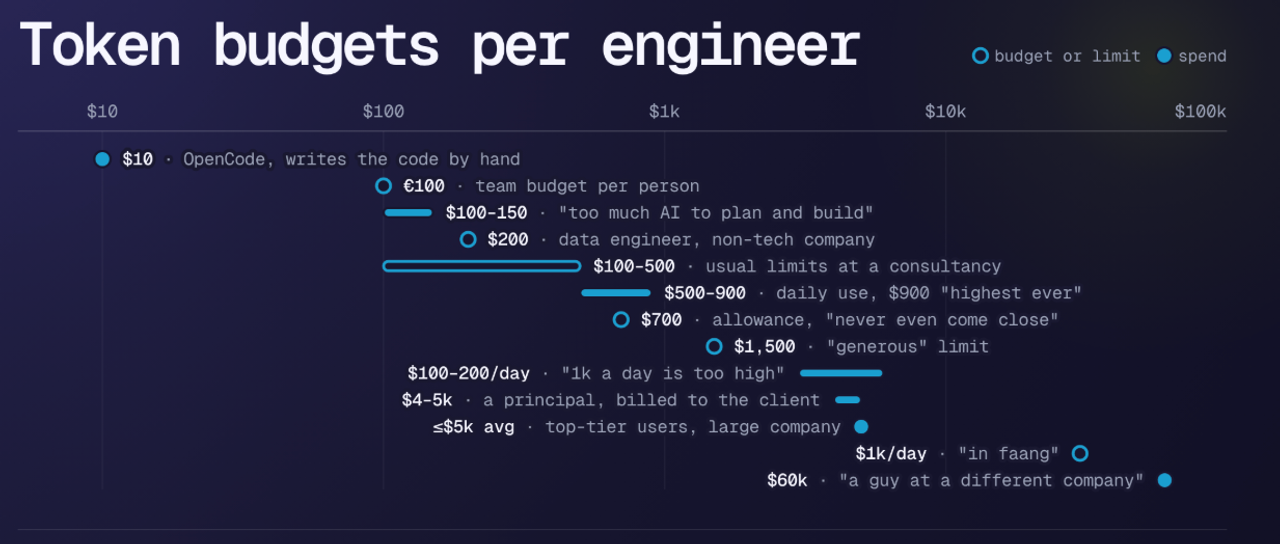
What’s in the Kool-Aid: field notes from data engineers already drinking it
Adrian Brudaru
Product, Updates
Introducing dltHub background agents: verified and custom agents to keep your pipelines healthy
Elisabeth Reitmayr
Product
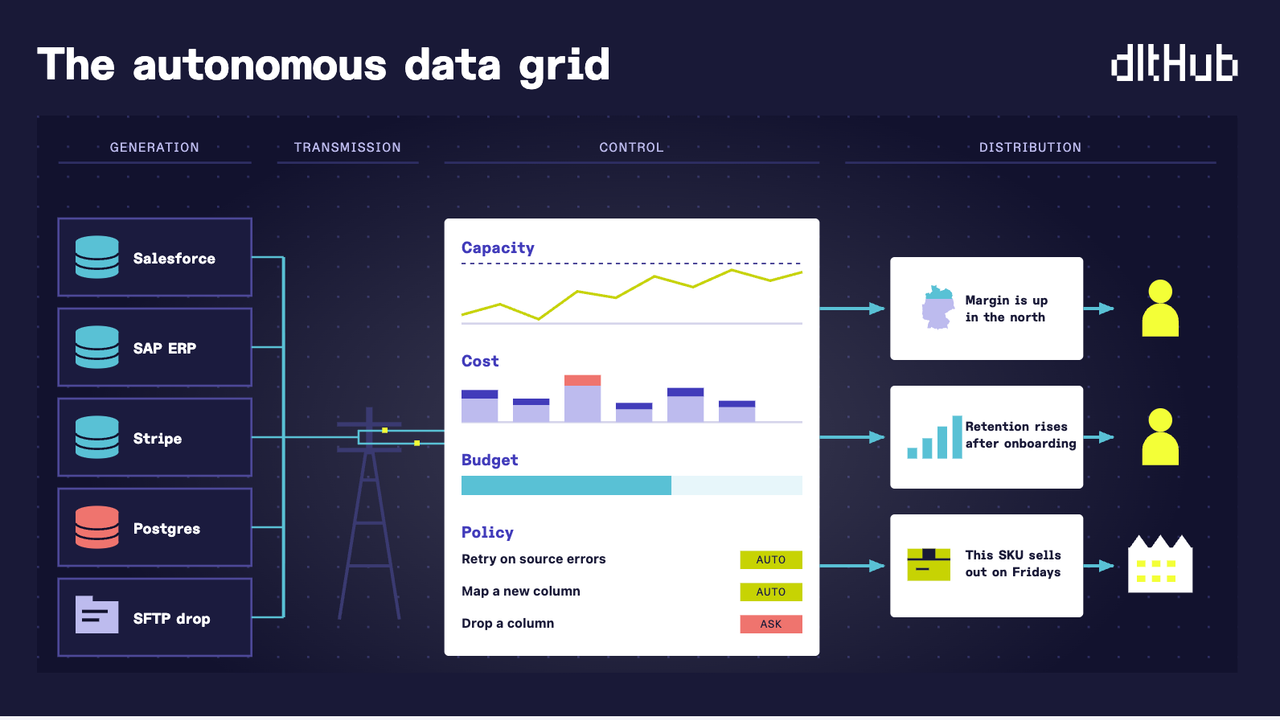
Towards a Self-Improving Autonomous Data Platform
Elisabeth Reitmayr
Tutorials, Product
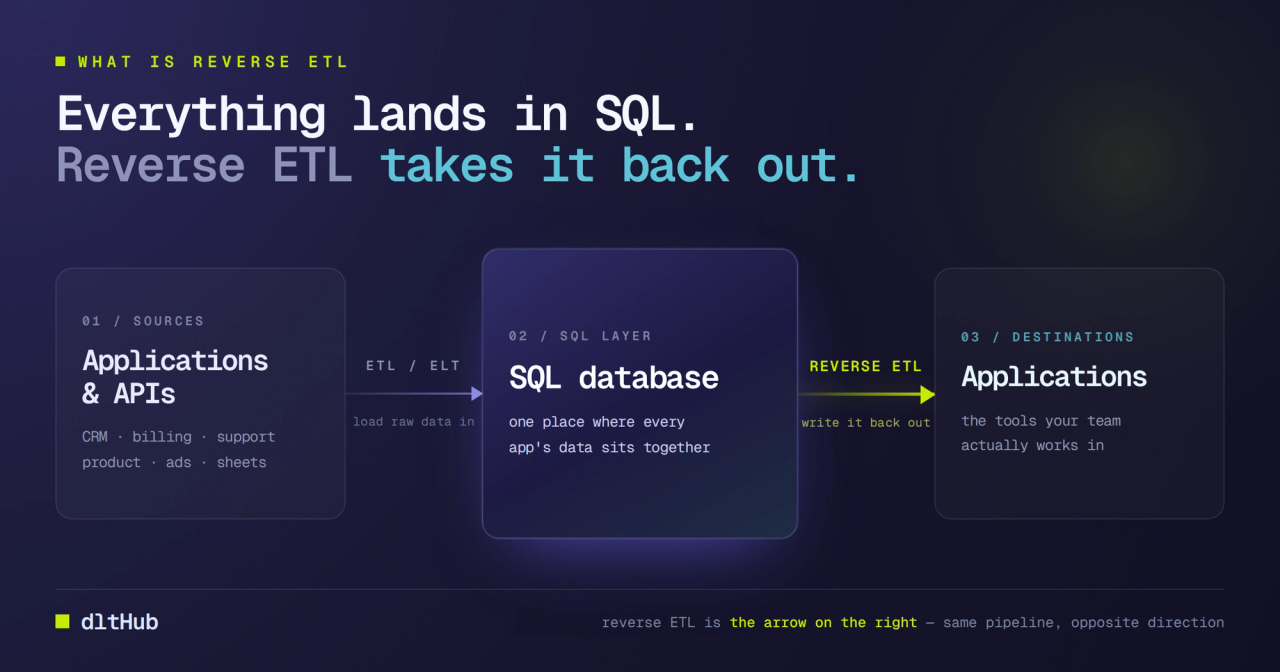
Reverse ETL to Attio
Aman Gupta
Tutorials
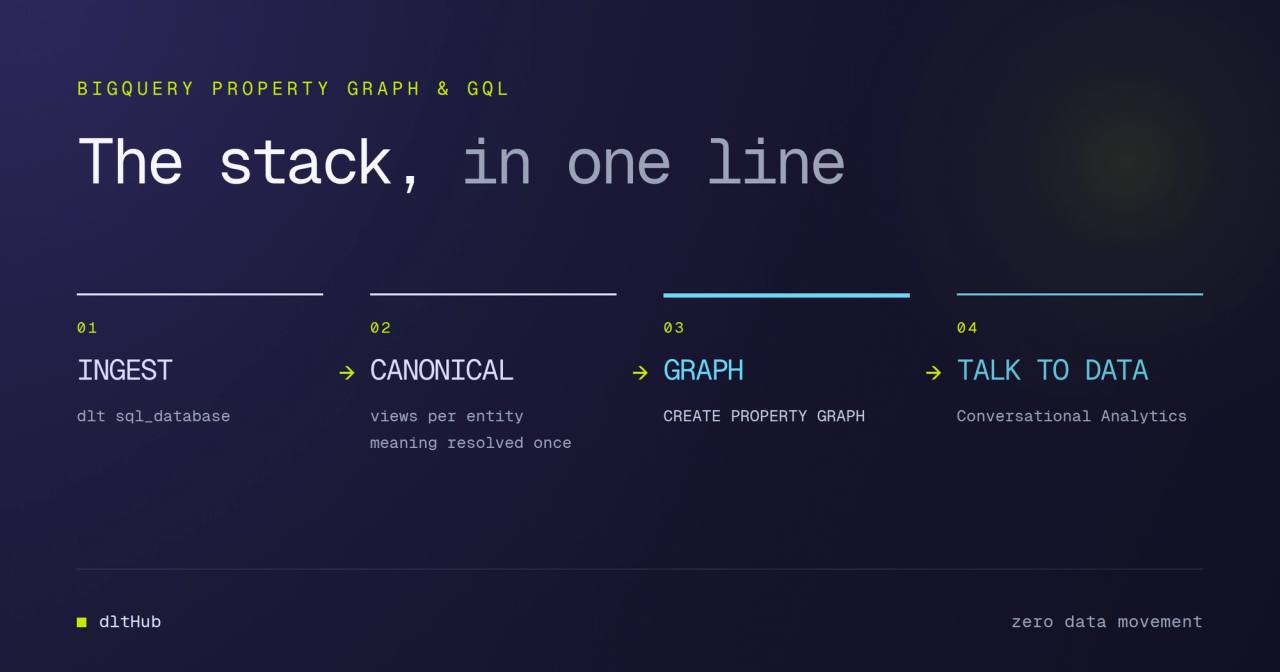
dlt & BigQuery Graph: From Raw Tables to Conversational Analytics in One Afternoon
Roshni Melwani
Product
Why you still need data people in the agentic era - and what for
Adrian Brudaru
Product, Tutorials
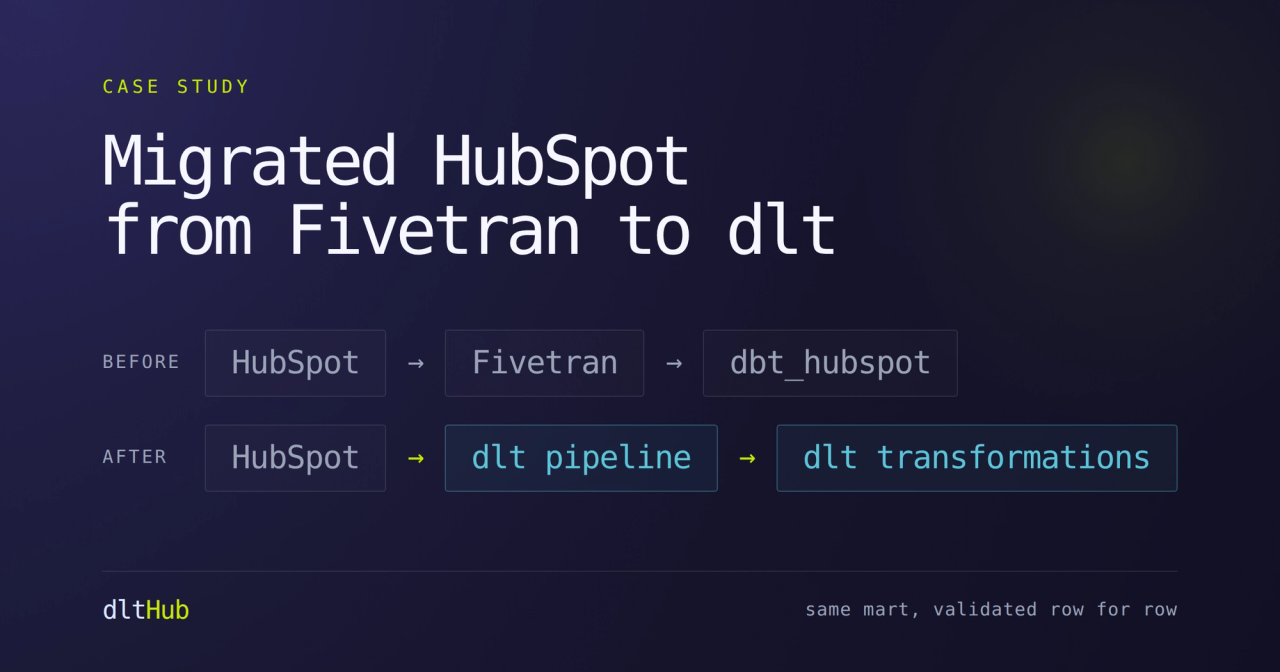
Step by step: Hubspot connector from Fivetran to dltHub
Aman Gupta

Product, Updates
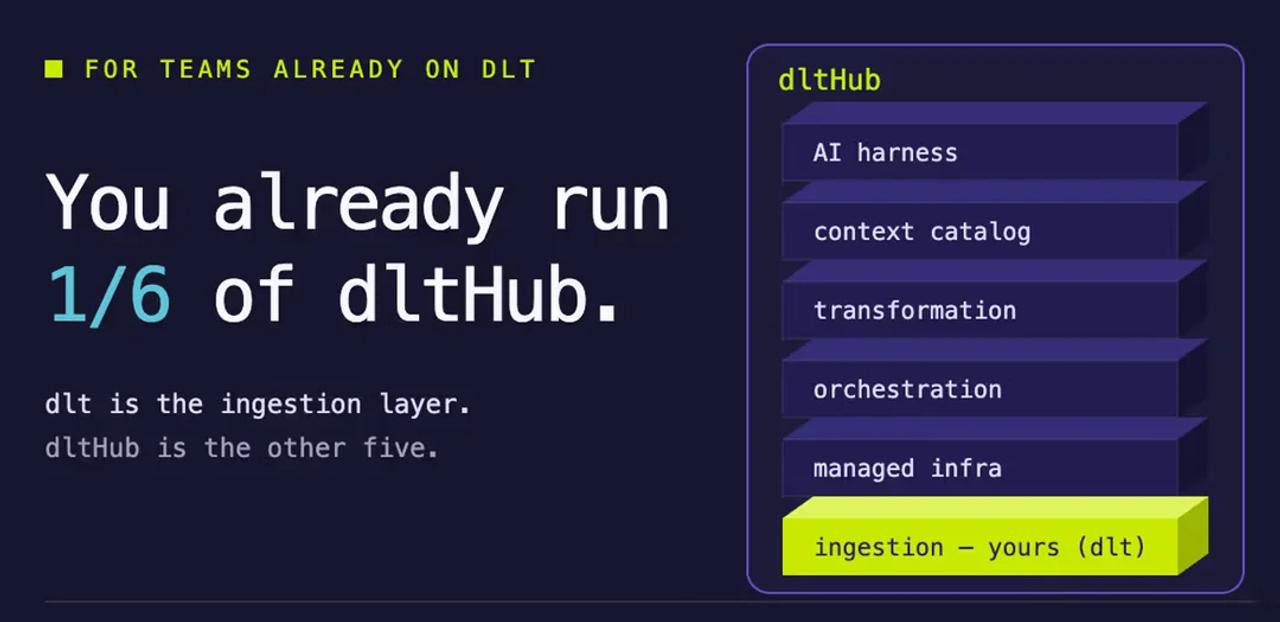
dltHub: dlt made agents good at building pipelines. Now they're safe enough to run for your whole team.
Matthaus Krzykowski
Product
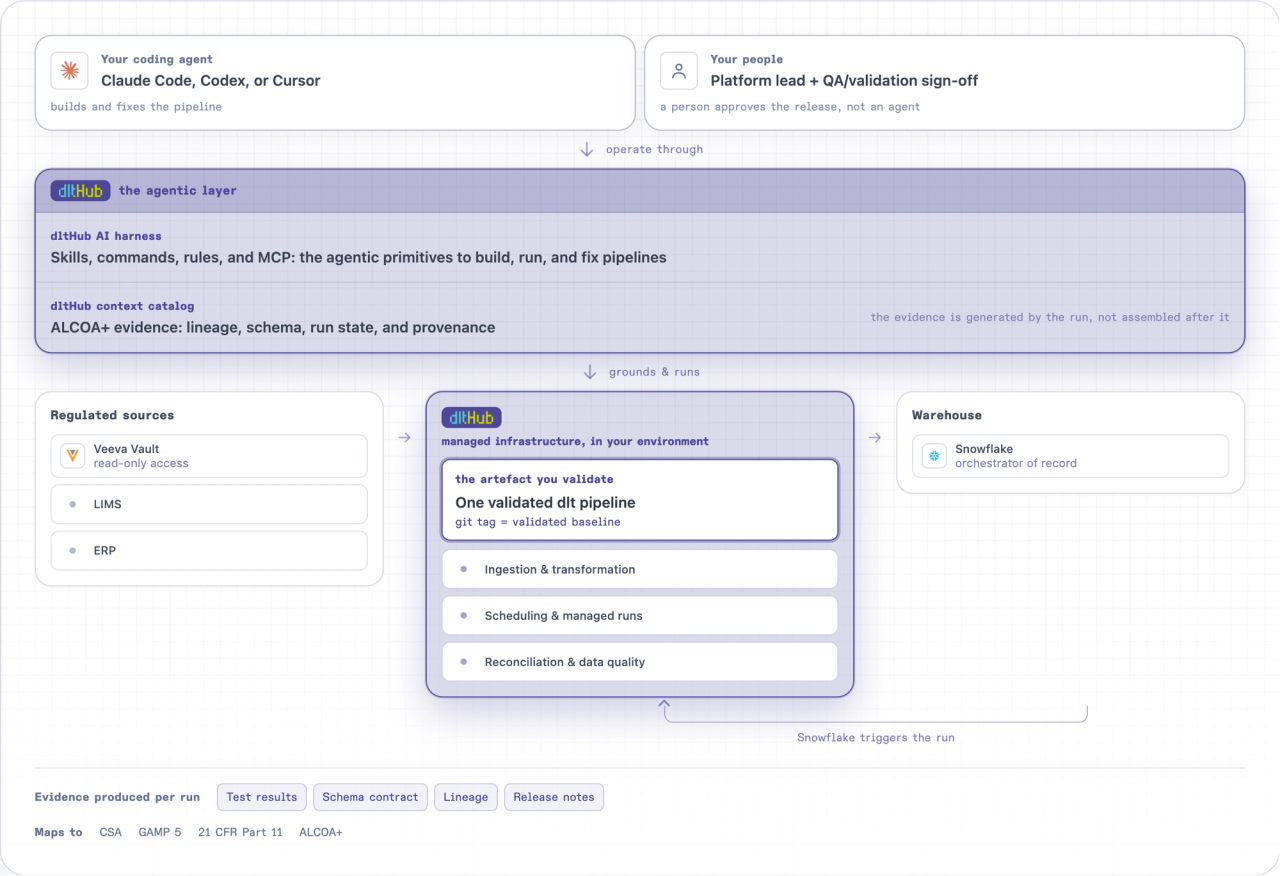
Validating Trust in Data: How dltHub Delivers GxP-Ready, Auditable Ingestion into Snowflake
Matthaus Krzykowski

Product
Transformations that know their context
Adrian Brudaru
Showing 12 of 205 posts
Load more posts